
Hanuman Statue Blessing Pose Overview
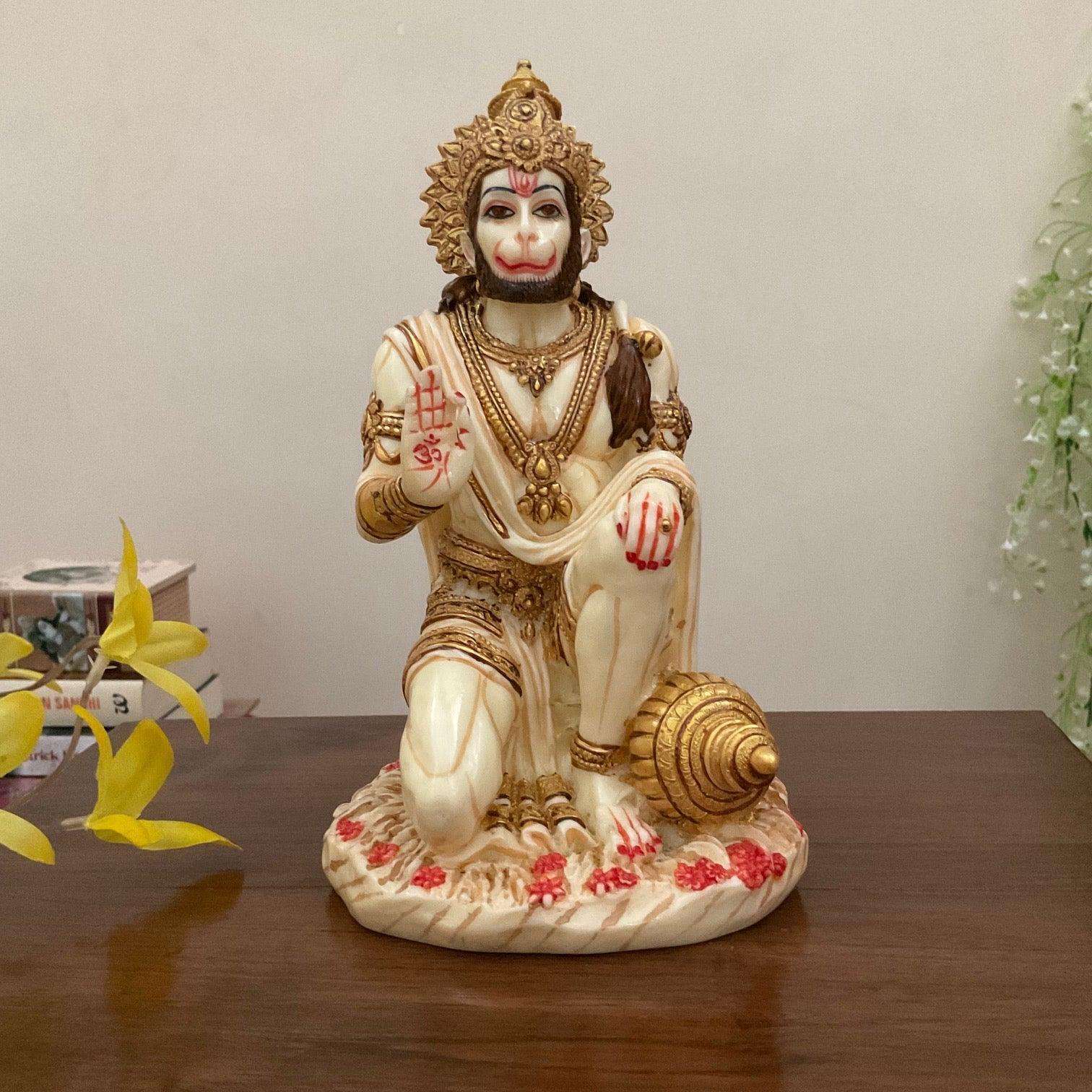
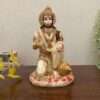
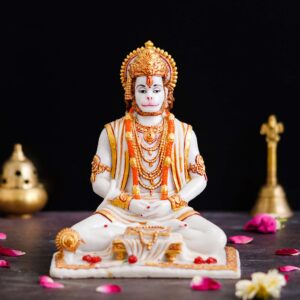
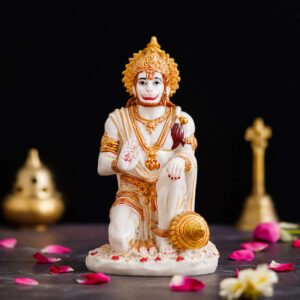
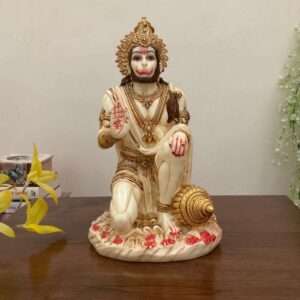
The hanuman statue blessing pose is designed for buyers seeking a calm, devotional, and traditional Hanuman idol suitable for home placement. This statue presents Lord Hanuman in a composed posture with one hand raised in a blessing gesture, creating a clear visual focus on devotion rather than action or movement. The blessing pose makes this idol appropriate for daily worship and long term placement in a home puja space.
Unlike aggressive or flying Hanuman forms, the hanuman statue blessing pose maintains a grounded and stable appearance. The posture allows the idol to remain visually balanced and easy to place on indoor surfaces such as mandir shelves, puja tables, or wooden consoles. The statue does not rely on additional structures such as arches, frames, or jhulas, making it adaptable to a wide range of home temple layouts.
Why Blessing Pose Matters for Home Placement
The blessing pose is commonly preferred for home worship because it conveys calmness and assurance. A hanuman statue blessing pose is visually suitable for spaces where daily prayer is performed, as it avoids aggressive or highly dynamic stances that may feel out of place in a quiet puja environment.
Posture and Body Positioning
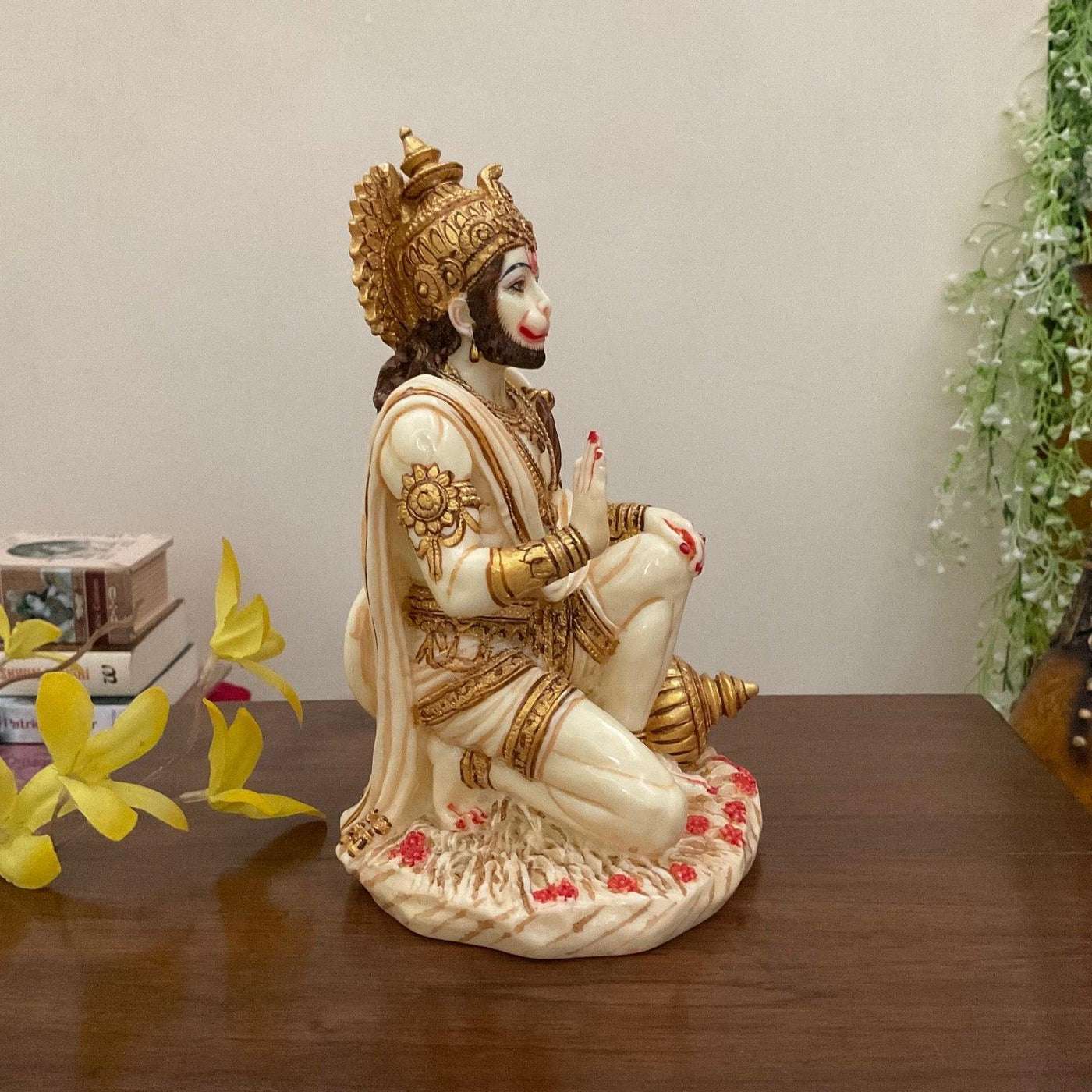
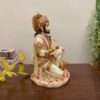
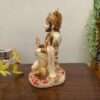
The posture of the hanuman statue blessing pose is structured to appear respectful and composed. The body remains upright and balanced, with clear focus on the raised blessing hand. This posture distinguishes the statue from standing warrior poses or flying forms that emphasize action.
The posture allows the statue to sit securely on its base without requiring support from surrounding decor. This makes the idol suitable for long term placement without frequent adjustment.
Difference Between Blessing Pose and Action Poses
Action oriented Hanuman statues often depict flying, leaping, or combat stances. In contrast, the hanuman statue blessing pose emphasizes stability and reassurance. This difference makes it easier to integrate the statue into home temples and personal prayer spaces.
Gada Presence and Visual Balance
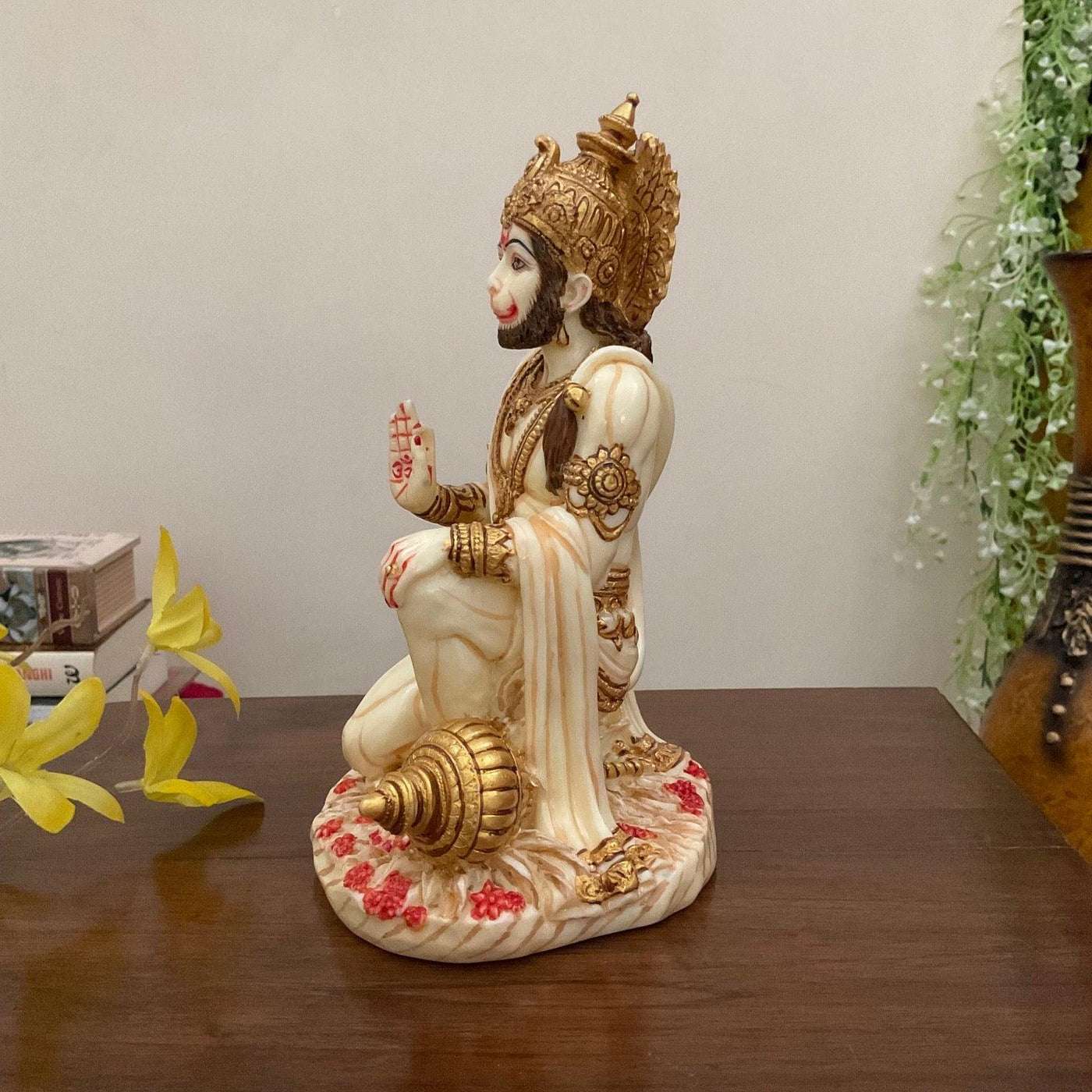
The hanuman statue blessing pose includes the gada as a visible attribute. The gada is positioned in a non aggressive manner, resting close to the body or base. This placement reinforces the devotional nature of the statue while maintaining Hanuman’s traditional identity.
The presence of the gada adds visual completeness without dominating the posture. It supports the statue’s traditional appearance while keeping the focus on the blessing gesture.
Gada as a Traditional Attribute
The gada is an essential identifier for Hanuman idols. In this blessing pose, the gada is included in a calm and controlled way, making the statue appropriate for indoor worship rather than symbolic action scenes.
Hand Gesture and Blessing Orientation
The raised hand in the hanuman statue blessing pose is clearly visible from the front. This gesture ensures that the blessing aspect of the idol is immediately recognizable when placed against a wall or mandir backdrop. The hand remains within the natural width of the body, avoiding outward extension.
The orientation of the hand allows the statue to be viewed clearly from a direct front angle, which is important for home temples where idols are usually placed against vertical surfaces.
Front Facing Advantage for Puja Setup
A front facing blessing hand makes alignment within a mandir easier. The hanuman statue blessing pose remains visually centered even when placed on narrow shelves or compact puja tables.
Base Design and Placement Stability
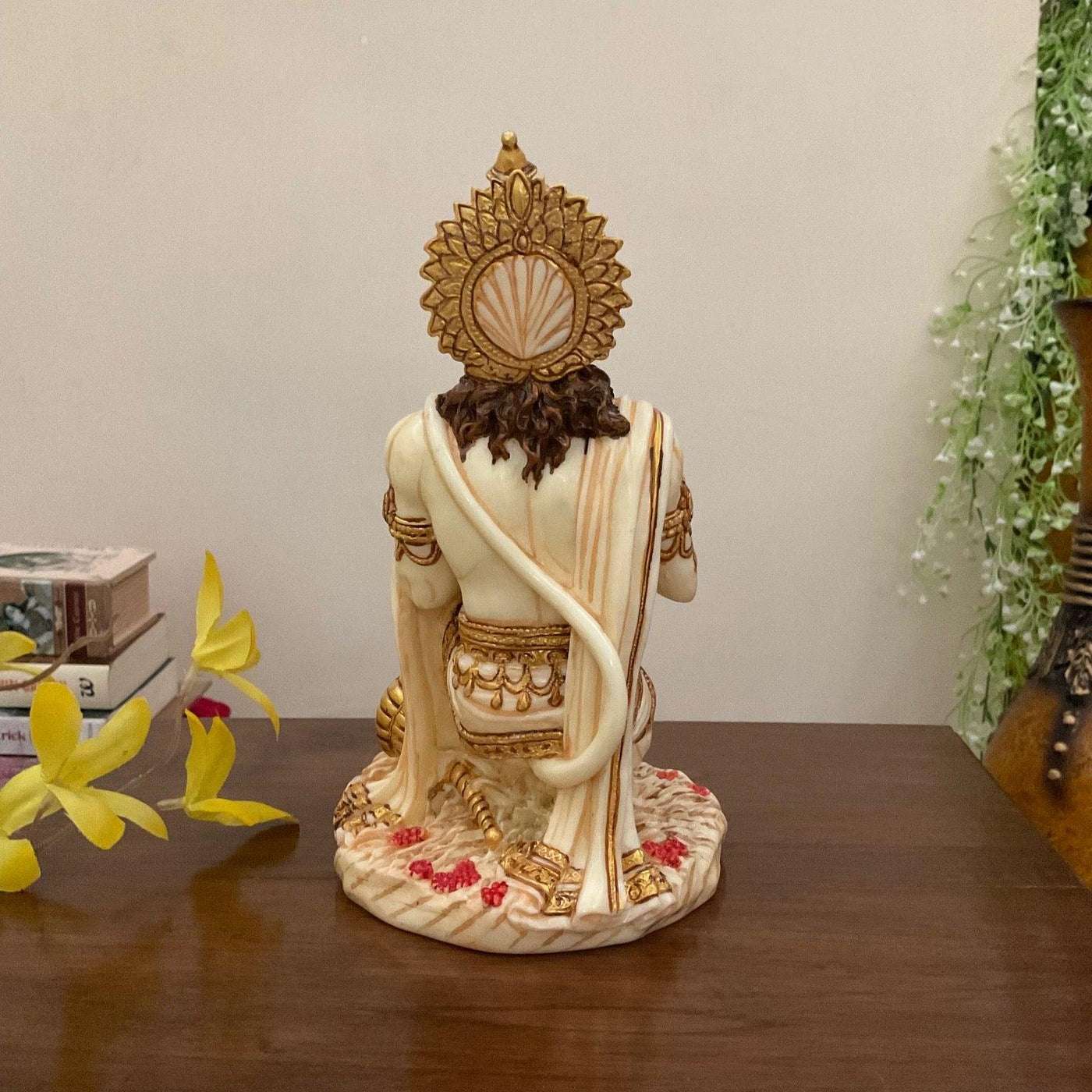
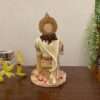
The base of the hanuman statue blessing pose is designed to support the statue securely for long term indoor placement. The base provides a stable footprint that allows the idol to remain balanced on flat surfaces such as wood, marble, or stone shelves.
The base does not require an additional chowki or pedestal, making placement straightforward and adaptable.
Suitable Surfaces for Placement
This statue can be placed on mandir shelves, puja tables, console units, or dedicated prayer platforms. A flat and level surface ensures the statue remains stable over time.
Face Orientation and Expression
The face of the hanuman statue blessing pose is forward facing with a calm and composed expression. This orientation ensures that the idol remains visually engaging during prayer. The eyes are directed forward, reinforcing focus and clarity.
The facial expression avoids exaggerated emotion, making it suitable for long term worship environments.
Consistency in Daily Worship
A calm facial expression helps maintain a consistent visual environment for daily prayer. The hanuman statue blessing pose supports this by avoiding dramatic or intense expressions.
Color Distribution and Detailing Style
The hanuman statue blessing pose features a balanced color palette with a light dominant surface and detailed accent work. The contrast between the base color and detailing helps define ornaments, garments, and facial features without overwhelming the overall appearance.
This color balance allows the statue to blend easily with traditional mandir interiors and neutral home backgrounds.
Compatibility With Home Temple Decor
The detailing style complements wooden mandirs, marble shelves, and metal puja accessories. The statue does not require color coordination with surrounding items.
Scale and Tabletop Suitability
Based on visual proportions, the hanuman statue blessing pose fits within the tabletop idol category. It is neither a miniature figurine nor a floor standing murti. This makes it suitable for placement at eye level or slightly below within a home temple.
Indoor Placement Recommendation
This statue is intended for indoor use where it can remain protected and undisturbed. A stable surface ensures long term placement without shifting.
Maintenance and Long Term Handling
Maintenance of the hanuman statue blessing pose is simple. Routine surface cleaning can be done using a dry or lightly damp cloth. Because the statue is a single integrated piece, no disassembly is required.
Care for Continuous Worship Use
Once placed, the statue should remain in a fixed position to preserve alignment and stability over time.
Use in Home Temple and Daily Puja
The hanuman statue blessing pose is especially suitable for daily puja due to its stable posture and calm presentation. Many households prefer blessing pose idols for regular worship because they create a reassuring and composed presence.
Integration With Existing Mandir Setup
The statue can be integrated into existing mandir setups without changes to furniture or layout.
Gifting Use for Religious Occasions
The hanuman statue blessing pose is often selected as a religious gift for housewarming ceremonies, family puja events, and traditional occasions where a calm devotional idol is preferred.
Placement Considerations When Gifting
When gifting, it is helpful to ensure the recipient has a suitable indoor placement area such as a home temple shelf or puja table.
Placement Guidance for Best Results
For best results, place the hanuman statue blessing pose on a flat and level surface, facing forward. Adequate spacing around the idol helps maintain visual clarity. Many households follow traditional placement practices, and general background information about Lord Hanuman and his traditional representations can be explored through this detailed overview on Lord Hanuman.
Alignment and Spacing Tips
Center alignment within the mandir area improves symmetry and ensures the base remains fully supported.
Explore more premium handcrafted items in our Marble Statues collection.
Browse all handcrafted decor items in the Sigma HandiCraft Shop.
Reviews
There are no reviews yet.